
In the hospitality industry, alcohol service comes with both privilege and responsibility. Every time a server, bartender, or manager pours a drink, they also assume a duty to protect their patrons, coworkers, and establishment from the consequences of impairment. Effective interventions—recognizing when and how to act when a customer’s judgment or coordination begins to decline—are among the most critical skills a hospitality professional can learn.
Before addressing how to intervene, it’s essential to understand the difference between intoxication, impairment, and poly-impairment.
Intoxication refers specifically to the physical and mental effects of alcohol on the body—slowed reaction time, slurred speech, or loss of balance. Impairment goes further, describing any reduced ability to make safe or rational decisions due to alcohol, medication, drugs, or other influences. Poly-impairment occurs when multiple substances, such as alcohol and prescription medication, interact to intensify these effects.
Knowing the distinction allows staff to recognize risk earlier—before a guest’s behavior crosses into dangerous territory.
Why Interventions Matter
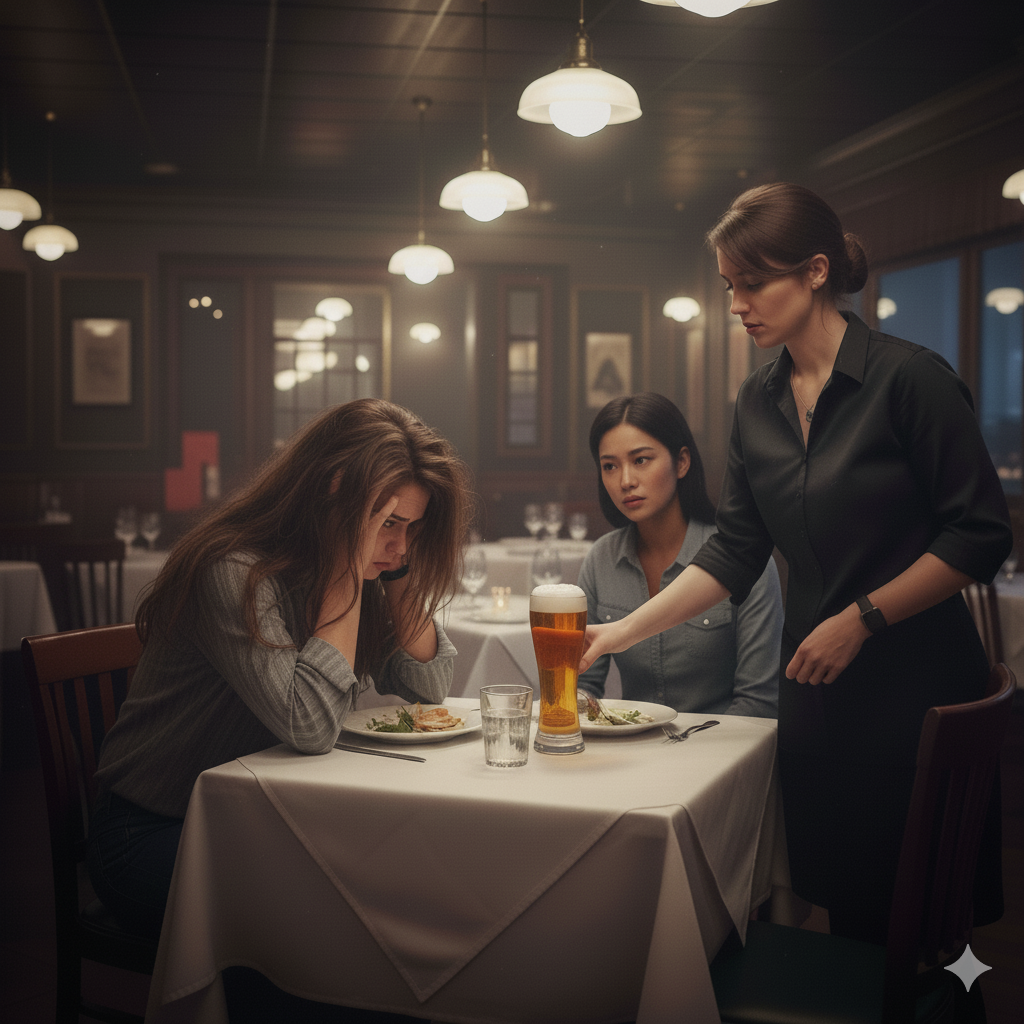
Preventing impairment isn’t simply good service—it’s a legal and ethical obligation. Impaired guests can injure themselves, start conflicts, or create liability for your business. Effective interventions minimize these risks and ensure a safe, professional environment.
Servers and managers are not expected to diagnose impairment—they are expected to observe, communicate, and act consistently and effectively. Training ensures they know when to step in, how to de-escalate, and what actions to take if a guest refuses help or attempts to drive.
Recognizing Signs of Impairment

Recognizing impairment begins with understanding SCAB, an acronym used in Serving Alcohol training to help hospitality professionals remember the four main categories of observable impairment indicators: Speech, Coordination, Appearance, and Behavior. These categories form the baseline for identifying when a guest may be impaired and require intervention.
Speech – Listen for irregular speech patterns, such as slurring, repeating themselves, or speaking excessively loudly. Example: a guest who was previously clear and composed begins stumbling over words or talking over others.
Coordination – Watch for irregular movement or poor balance, such as swaying, spilling drinks, or tripping when standing or walking. Example: a guest needs to steady themselves on furniture or other patrons.
Appearance – Note physical changes like bloodshot eyes, flushed skin, or disheveled clothing. Example: a guest’s appearance becomes noticeably less composed as the evening progresses.
Behavior – Observe actions that create alarm, discomfort, or unease among other customers or staff. Example: a guest becomes overly friendly, argumentative, or emotional in ways that differ from their earlier demeanor.
While you’re not expected to memorize every possible sign, consistently monitoring these four areas builds reliable awareness. SCAB serves as a quick mental checklist to identify when a customer’s condition may be shifting toward impairment.
Once you’re familiar with SCAB, the next step is to look for the more specific and progressive warning signs that may appear over time. Impairment can develop gradually, so consistent observation throughout a guest’s visit is essential.
Common signs may include:
- Noticeable changes in coordination or balance
- Difficulty concentrating or following instructions
- Overly friendly or argumentative interactions
- Uncharacteristic emotional reactions or sudden mood swings
- Repeating stories or forgetting previous conversations
While this isn’t an exhaustive list, it provides a solid starting point for identifying impairment in guests successfully. Staff should compare each customer’s current behavior with their baseline demeanor and communicate any concerns to teammates immediately.
It’s best practice to keep a printed reference list of impairment signs posted in staff areas for quick review. A recommended resource used in Serving Alcohol training is Oregon’s 50 Signs of Visible Intoxication, which provides an expanded checklist to help reinforce the SCAB model and strengthen observation accuracy in real-world service environments.
How to Intervene: The H.A.P. Technique

One of the most effective ways to approach intervention is through the H.A.P. technique, which stands for Help, Assist, and Protect. This structured method teaches staff to act quickly, work collaboratively, and ensure the safety of everyone involved.
Help – Identify when help is needed. Respond immediately if a guest’s behavior suggests impairment. Delaying action may increase risk and potential liability.
Assist – Work together with coworkers to assist both the impaired guest and others who may feel uncomfortable or unsafe. Offer food, water, or non-alcoholic beverages, and remain calm and supportive while redirecting the situation.
Protect – Protect everyone by de-escalating the environment. Ensure that impaired guests are not left alone and are assisted by sober companions or provided with secure transportation. If necessary, involve management or security to maintain safety.
After an intervention, ensure that the impaired guest and any accompanying friends leave safely and that the situation is documented to reduce the risk of further disturbance.
The H.A.P. method empowers hospitality workers to act with professionalism and compassion, transforming potentially volatile situations into controlled and safe outcomes.
Arranging Safe Transportation and When to Call a Cab

Part of a successful intervention is ensuring that an impaired guest gets home safely. Once service has been stopped and the situation has de-escalated, the next step is to arrange safe transportation. This not only protects the customer but also demonstrates due diligence and professionalism on behalf of the establishment.
When a guest is unable to drive, servers or managers should:
- Offer to call a cab, rideshare, or hotel shuttle immediately.
- Encourage the guest to contact a friend or family member to pick them up.
- Ensure they remain in a safe, supervised area until transportation arrives.
If An Intoxicated Customer Refuses a Cab
It’s important to remain calm and firm. Politely explain that allowing them to leave unsafely could endanger both them and others. In these cases, involve a manager or security staff to help reinforce the decision and document the interaction.
Managers should always record the incident, including what actions were taken to arrange transportation. This protects the business from potential liability and demonstrates that staff took appropriate, proactive measures to safeguard the guest.
Serving Alcohol’s state-approved seller/server training programs include specific suggestions on how to help an impaired person, how to handle refusal of a ride, and how to coordinate with teammates when arranging transportation. These lessons prepare employees to act confidently, professionally, and in compliance with state guidelines.
Preventing Impairment Before It Escalates
The most effective interventions occur before impairment becomes apparent. Staff can pace service, offer food, and recommend water or non-alcoholic options to slow alcohol absorption. Monitoring group orders and observing individual reactions helps prevent problems before they develop.
Servers who understand how to interpret early behavioral cues and apply preventative measures contribute directly to guest satisfaction and business protection.
State-Specific Training and Intervention Practices
Every state sets its own rules for responsible alcohol service, but all share a commitment to proactive, informed intervention.
California Intervention Practices
California’s Responsible Beverage Service (RBS) training ensures every server and manager knows how to recognize impairment, apply structured interventions like H.A.P., and document refusals properly.
The California Department of Alcoholic Beverage Control provides educational resources on impairment and safe service practices at https://www.abc.ca.gov/education/licensee-education/intoxication/.
Oregon Intervention Techniques
Oregon’s OLCC Alcohol Server Permit Training, managed by the Oregon Liquor and Cannabis Commission (OLCC), sets one of the highest national standards for intervention training. It emphasizes:
- Observation and engagement: Watching for gradual behavior changes rather than waiting for extreme signs.
- Slowing service: Offering food, water, or distractions to prevent further impairment.
- Team intervention: Staff coordinate responses and confirm each other’s observations.
- Clear refusal: Communicating decisions respectfully but firmly.
- Safe Departure: Ensuring impaired guests leave with sober transportation.
- Documentation: Recording the incident in an intervention log to demonstrate responsible action.
Pennsylvania Intervention Practices
The RAMP Server/Seller Training program mandates staff education in recognizing visible impairment, refusing service appropriately, and maintaining documentation that demonstrates compliance with Pennsylvania Liquor Control Board (PLCB) standards.
Florida Intervention Techniques
Under the Florida Responsible Vendor Program, establishments that train employees in intervention and prevention can earn liability protection. Courses focus on how to identify impairment and reduce risk through teamwork and early engagement.
The Florida Department of Business and Professional Regulation provides educational resources on impairment and safe service practices in its Responsible Vendor Brochure.
Illinois Intervention Practices
Illinois BASSET certification (on or off-premise) is mandatory for alcohol servers and managers. Under the regulations of the Illinois Liquor Control Commission (ILCC), they reinforce practical steps for managing impaired guests, performing interventions safely, and documenting all refusals or incidents.
Wisconsin Intervention Techniques
Wisconsin’s Bartender License program teaches servers how to prevent impairment, communicate effectively, and handle incidents in compliance with state law. The Wisconsin Department of Revenue (DOR) closely monitors the sale and service of alcohol.
How Serving Alcohol Training Expands on These Techniques
Our state-approved seller/server training courses go far beyond compliance—they prepare hospitality professionals with real-world, scenario-based tools for recognizing, preventing, and managing impairment safely.
Early Detection and Behavioral Analysis
Courses emphasize subtle behavioral indicators and teach staff how to detect impairment before it becomes visible.
Communication and De-Escalation
Participants practice phrasing and tone designed to calm situations, reduce tension, and preserve dignity for all parties involved.
The H.A.P. Technique in Practice
Our courses build on the Help–Assist–Protect model, incorporating interactive exercises, case studies, and simulations tailored to various establishment types, including restaurants, hotels, retail, and event venues. Learners see how H.A.P. integrates seamlessly with local intervention laws and policies.
Legal and Documentation Procedures
We teach participants how to document incidents accurately, fulfilling both internal and legal reporting requirements to protect the business and staff.
Team Coordination and Realistic Scenarios
Each course includes teamwork strategies so bartenders, servers, and managers understand their shared responsibility for guest safety.
Intervention Conclusion
Intervention is more than a reaction—it’s a professional skill rooted in care, compliance, and accountability. Whether you operate in California, Oregon, Pennsylvania, Florida, Illinois, or Wisconsin, the ability to identify impairment and act appropriately defines a responsible establishment.
Serving Alcohol’s state-approved courses give your team the tools to apply techniques like H.A.P. (Help–Assist–Protect) and other advanced methods confidently and effectively. Our training prepares staff to recognize impairment early, act decisively, and protect both your guests and your business—because responsible service begins with informed, proactive professionals.
Didn’t see your state listed? We offer alcohol and/or food training in most states!