Table of Contents
If you work behind the counter at a liquor store, grocery store, or convenience store in California, you’ve probably heard coworkers or friends in the restaurant industry talk about RBS certification and wondered if it applies to you too. It’s a fair question, and the answer is actually more specific than most people assume. RBS certification generally does not apply to retail alcohol sales in California. Here’s exactly why, what does apply instead, and where the lines can blur.
RBS Is Built for On-Premises Consumption, Not Retail Sales
California’s RBS (Responsible Beverage Service) program was created under Assembly Bills 1221 and 82 specifically to cover on-premises alcohol service, meaning places where alcohol is consumed on-site. According to the California Department of Alcoholic Beverage Control’s own program guidance, on-premises licenses generally include bars, restaurants, tasting rooms, clubs, stadiums, movie theaters, hotels, and caterers.
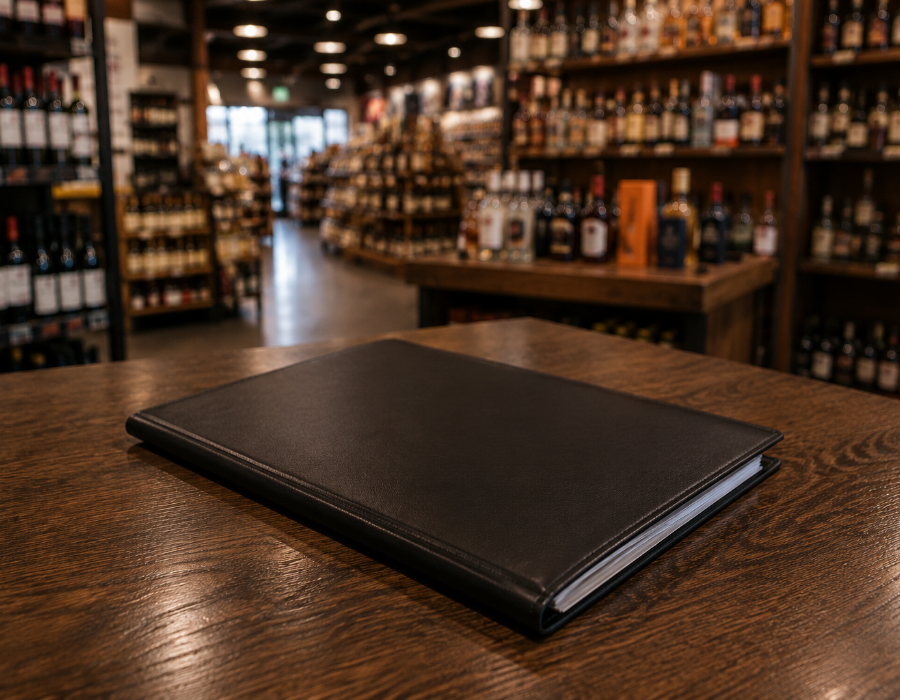
Retail stores where customers buy alcohol to take home, commonly called “off-sale” locations, fall outside that definition. This includes liquor stores, grocery stores, convenience stores, and gas stations. Employees at these businesses are not required to complete RBS training under state law, because the entire program was built around service and consumption happening on-site, not a customer purchasing a sealed bottle to drink somewhere else.
What Retail Stores Have Instead: LEAD
Rather than leaving off-sale employees with no training option at all, California’s ABC offers a separate program specifically designed for retail settings. LEAD (Licensee Education on Alcohol and Drugs). LEAD is a free, voluntary education and prevention program aimed at employees and licensees of off-sale locations, covering practical strategies for selling alcohol safely, responsibly, and legally, and preventing related issues on or around the licensed premises.
The keyword here is voluntary. Unlike RBS, which is legally mandatory for on-premises servers and managers, LEAD is not required by state law. A retail store can choose to have employees complete it, but there’s no statewide legal obligation to do so. It’s worth noting, though, that some local jurisdictions have started requiring or encouraging LEAD participation as a condition of maintaining certain local permits, so it’s worth checking with your specific city or county if you work at an off-sale location.
Why the Distinction Matters
It’s easy to see why people get this confused. Both programs come from the same state agency, both are about responsible alcohol handling, and both exist to reduce alcohol-related harm. But they were built for fundamentally different risk environments.
RBS focuses heavily on things that matter specifically in an on-site consumption setting, recognizing signs of intoxication in a patron who’s actively drinking in front of you, refusing further service without escalating a tense situation, and understanding liability tied to serving someone who then gets behind the wheel immediately afterward.
LEAD, by contrast, is oriented around the retail transaction itself: Verifying ID at the point of sale, recognizing signs of a straw purchase (a legal adult buying on behalf of a minor), and preventing sales to already-intoxicated customers at checkout, since a retail clerk isn’t monitoring someone’s consumption over the course of an evening the way a bartender would.
Are Any Retail Roles Ever Required to Get RBS Certified?
There’s one important exception worth understanding. If a business holds a license type that includes both off-sale and on-site consumption privileges, employees involved in that on-site consumption component generally do need RBS certification, even though the business is primarily a retail operation.
Common examples include:
- A grocery store or specialty market with an in-store wine bar or tasting counter where customers can drink on-site
- A liquor store or bottle shop that also operates a small tasting room or sampling counter
- A convenience store attached to a bar or on-premises license at the same address
In these hybrid situations, it’s not about the business’s primary identity as a “store”. It’s about the specific license type tied to the activity an employee performs. An employee strictly ringing up bottle sales at the front register generally doesn’t need RBS, while a staff member pouring tasting samples at an in-store bar likely does, because that portion of the business operates under an on-premises license.
What This Means If You Manage a Retail Location
If you’re a manager or owner of a retail alcohol business, the safest approach is to look at your specific license type and the actual duties of each role, rather than assuming your entire business is exempt just because it’s primarily off-sale. Ask yourself:
- Does any part of my business allow on-site consumption, even in a small dedicated area?
- Do any employees pour, serve, or facilitate drinking on the premises, even occasionally?
- Does my local city or county have its own LEAD or training requirement beyond the state’s baseline rules?
If the answer to any of these is yes, it’s worth reviewing whether RBS certification applies to that specific slice of your operation, even if the bulk of your business is straightforward retail.
What About Employees Who Split Time Between Roles?
Some businesses cross-train staff to work both the retail counter and an on-site tasting or bar area. In that case, any employee who spends time in the on-premises portion of the business, even occasionally, generally needs RBS certification for that part of their role, since certification requirements are tied to the activity being performed, not simply someone’s primary job title.
If You Do Need RBS Certification
If you’ve determined that part of your role involves on-premises alcohol service, whether at a tasting counter, an in-store bar, or any other on-site consumption setup, the certification process is the same as it would be for a full-time bartender or server. You’ll register with the state, complete an ABC-approved training course, and pass the official certification exam.
Serving Alcohol offers a state-approved, self-paced RBS course built specifically around California’s requirements, making it a straightforward option whether you work primarily behind a retail counter or split your time between retail sales and an on-site tasting or bar setup.
Final Thoughts
If you work in a straightforward retail setting ringing up bottles at a liquor store, grocery store, or convenience store, California’s RBS certification generally does not apply to you, and the state’s voluntary LEAD program is the more relevant option if you want additional training. The moment your business includes any on-premises consumption component, though, that specific activity typically falls back under RBS requirements, regardless of how the business identifies itself overall. When in doubt, it’s worth checking your specific license type directly with the ABC rather than assuming based on your business’s general category.
Disclaimer: This article is for general informational purposes only and does not constitute legal advice. RBS and LEAD program requirements are specific to California and may not reflect requirements in other states, and local jurisdictions may impose additional rules beyond the state baseline. Always confirm current requirements directly with the California Department of Alcoholic Beverage Control (or your state’s equivalent regulatory body) before assuming your certification obligations.